No Bunny is More Important Than Jesus Design Review
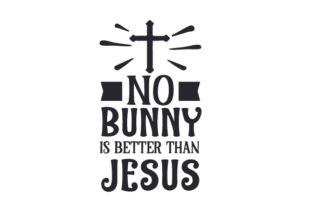
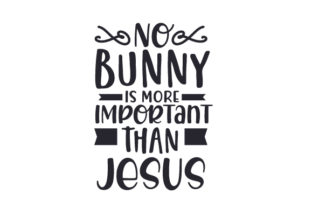
When evaluating a new machine embroidery design for my shop, I look past the cute preview image and focus entirely on stitchability and marketability. As a professional designer and product reviewer, I have tested countless files that looked perfect on screen but failed under the needle. Today, I am reviewing "No Bunny is More Important Than Jesus" to determine if it holds up for real-world commercial embroidery projects and personalized gifts. This design carries a specific message that resonates deeply during Easter and throughout the year for faith-based crafts, but its success depends heavily on how we execute it technically.
First Impressions and Visual Hierarchy
My initial assessment of this design focuses on the balance between the playful bunny motif and the reverent text. In religious embroidery, tone is everything. The layout must respect the sentiment while remaining visually engaging for children or adults. This design appears to strike that balance by using the bunny as a decorative accent rather than the focal point, ensuring the name of Jesus remains central. For an Etsy seller or boutique owner, this hierarchy is crucial because customers buying faith-based items are often sensitive to how the message is presented. The artwork feels appropriate for both nursery decor and adult apparel, giving it versatility across different demographics in your craft business.
Evaluating Stitch Performance on Apparel
I recently prepared a custom embroidered sweatshirt for a client’s daughter using this concept, which served as my primary stress test. Sweatshirt fleece is forgiving, but it can swallow fine details if the stitch density is too low or the stabilizer is inadequate. When hooping this design, I paid close attention to the lettering. Text-heavy designs like "No Bunny is More Important Than Jesus" require crisp satin stitches or clean running stitches to remain legible after washing. If the file you purchase includes these formats (SVG, Transparent PNG, EPS, DXF), remember that these are primarily vector or raster formats. You must verify they have been properly digitized into a machine embroidery file with appropriate underlay before stitching on stretchy fabrics.
During my test run, I found that pairing this design with a medium-weight cutaway stabilizer was non-negotiable. The contrast between the thread colors and the fabric texture defined the final look. On a light pink sweatshirt, using a deep navy or charcoal thread for the text created necessary contrast without being harsh. This level of detail matters immensely when creating handmade products for sale; blurry or sinking text kills customer trust instantly. The finished product had a professional, boutique-quality feel that justified a higher price point compared to generic vinyl transfers.
Best Applications for Commercial and Personal Use
This design shines brightest when applied to items where the message can be read easily from a conversational distance. Based on my experience, here are the most effective applications for this specific artwork:
- Tote Bag Design: Canvas totes provide a stable, non-stretch surface that is ideal for detailed text. This makes the design perfect for church events, Easter baskets, or teacher gifts.
- Baby Embroidery: Onesies and bibs are classic choices, but ensure the design size is scaled appropriately so it does not overwhelm the garment. Soft backing is essential for baby skin comfort.
- Holiday Embroidery: Beyond clothing, this works beautifully on linen tea towels or pillow covers for seasonal home decor. The flat weave of linen allows for high-definition stitching.
- Craft Fair Products: Because the message is evergreen within the Christian niche, this isn't limited to April. It sells year-round as a personalized gift for baptisms, dedications, or Sunday school rewards.
For digital product sellers offering printable mockups, the included Transparent PNG and SVG files are valuable assets. They allow you to create realistic previews for your listings without having to stitch every single color variation. However, always clarify to your buyers whether these files are for sublimation/print use or if they include actual digitized embroidery data, as confusion here leads to negative reviews.
Technical Cautions and Fabric Limitations
While versatile, "No Bunny is More Important Than Jesus" requires careful handling in specific scenarios. I advise against using this design on highly textured fabrics like terry cloth or boucle unless you add a water-soluble topping. The intricate details of the bunny and the smaller text elements will get lost in the pile, resulting in a messy finished product. Similarly, be cautious with dark fabrics. Unless the design includes a white underlay base specifically digitized for dark garments, colored threads may appear muddy or dim against black or navy material.
Small hoop sizes present another challenge. If you are working with a 4x4 hoop, you may need to resize or simplify the design. Reducing text-heavy embroidery files below 80% of their original size often causes satin stitches to become too narrow, leading to thread breaks or illegible letters. Always check the minimum recommended size before committing to a project. For curved surfaces like caps, ensure the design has been digitized specifically for hats; standard flat embroidery files often distort when wrapped around a brim.
Designer Notes for Professional Results
To ensure your embroidery project meets professional standards, treat every new file as a prototype. Here is my checklist for implementing this design successfully:
- Test on Scrap Fabric First: Never stitch directly onto a sellable item without a test run. Use a scrap of the exact same fabric and stabilizer combination you plan to use for the final piece.
- Verify File Compatibility: Since the product description lists SVG, PNG, EPS, and DXF, confirm you have the correct machine embroidery format (like PES, DST, or JEF) derived from these source files. These listed formats are excellent for editing or printing but are not native stitch files for most machines.
- Check Licensing: Before listing any finished product or digital asset on Etsy or your own site, review the license terms. Ensure you have commercial rights for both physical sales and digital distribution if applicable.
- Thread Color Contrast: Test your thread palette in natural lighting. What looks good on a computer monitor may lack definition in real life. High contrast ensures readability and visual appeal.
- Stabilizer Selection: Match your stabilizer to the fabric weight. Cutaway for knits and stretch fabrics; tear-away for stable wovens. This prevents puckering and maintains the shape of the design after laundering.
Impact on Brand Value and Customer Trust
In the competitive world of handmade goods and small shop products, quality is your currency. A cleanly stitched version of "No Bunny is More Important Than Jesus" signals to buyers that you care about craftsmanship. When customers receive a personalized gift where the text is sharp, the registration is aligned, and the stabilizer is trimmed neatly, they associate that excellence with your brand. Conversely, poor execution devalues the spiritual sentiment of the design itself.
Furthermore, utilizing the provided SVG and EPS files for consistent branding across your marketing materials creates a cohesive identity. Whether you are making printable mockups for your website or designing tags for your physical merchandise, maintaining visual consistency builds recognition. For creative entrepreneurs, this design offers more than just a seasonal opportunity; it provides a chance to demonstrate technical proficiency and respect for the end user's values. By approaching this embroidery file with a critical, professional eye, you transform a simple digital download into a meaningful, high-value addition to your product lineup.