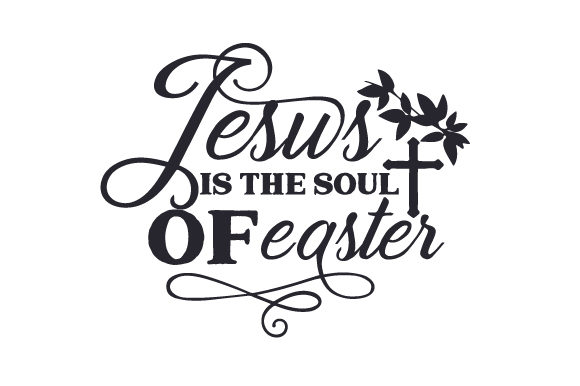
Jesus Before Jelly Beans: A Designer’s Stitch Review
When evaluating a new machine embroidery design for my shop, I look past the cute preview image and focus entirely on stitch integrity and marketability. As a professional designer and product reviewer, I approach every embroidery file with a critical eye toward how it will actually perform under the needle and in the hands of a customer. The "Jesus Before Jelly Beans" concept is undeniably charming for the Easter season, blending faith-based messaging with playful spring aesthetics. However, charm alone does not guarantee a successful finished product. My review focuses on whether this design can withstand the rigors of commercial production while maintaining the delicate balance required for meaningful Crafts.
First Impressions and Visual Hierarchy
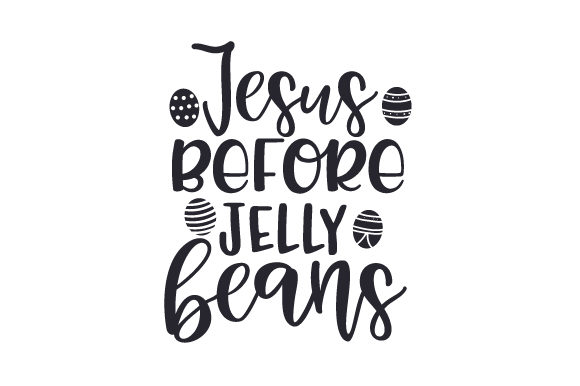
Upon opening the digital assets, the immediate strength of Jesus Before Jelly Beans lies in its clear visual hierarchy. For an Etsy seller or small shop product creator, readability is paramount. The design successfully prioritizes the text "Jesus Before" as the anchor, ensuring the message is legible even from a distance. The jelly bean elements serve as decorative accents rather than overwhelming noise. This balance is crucial because, in real-world applications like custom apparel or tote bag design, customers need to grasp the theme instantly.
The mood strikes a specific niche: it is reverent yet approachable. It avoids being overly somber, making it suitable for children’s ministry events, family gatherings, or casual spring wear. As a reviewer, I appreciate that the layout appears optimized for standard hoops. The spacing suggests the digitizer considered stitch density carefully, preventing the design from becoming too stiff—a common failure point in holiday-themed embroidery project files where excessive fill stitches turn fabric into cardboard.
Real-World Application: The Spring Sweatshirt Test
To truly evaluate this design, I mentally placed it in a high-demand scenario: creating a premium crewneck sweatshirt for a boutique Easter collection. Sweatshirts are a staple for handmade product sellers during the spring transition, but fleece presents unique challenges. When stitching Jesus Before Jelly Beans on French terry or heavyweight fleece, the texture of the fabric can swallow fine details.
In this context, the design’s performance depends heavily on stabilization. If the lettering uses a satin stitch, I would recommend using a cutaway stabilizer rather than tear-away to prevent puckering around the curves of the letters. The jelly bean accents, likely utilizing fill stitch or applique design techniques, must have adequate underlay. Without proper underlay, these colorful elements could sink into the fleece nap, resulting in a muddy appearance that diminishes the perceived value of the personalized gift. For a craft business owner, taking ten extra minutes to test the stabilizer combination on scrap fleece is the difference between a premium retail item and a discount bin reject.
Navigating Fabric Limitations and Hoop Constraints
While Jesus Before Jelly Beans shines on stable knits and woven cottons, caution is necessary for other substrates. I frequently see crafters attempt complex designs on thin, stretchy fabrics like baby onesies or lightweight tea towels. Here, the design requires careful scaling. If you reduce the size significantly to fit a smaller hoop size for baby embroidery, verify that the smallest text remains above 4mm in height. Anything smaller risks thread breaks and illegibility after washing.
For commercial embroidery involving caps or curved surfaces, assess the vertical span of the design. Caps have limited stitch fields, and pushing a design too close to the seam or bill causes registration errors. If the jelly bean elements extend too far vertically, they may distort. In such cases, consider isolating the text for the cap and placing the full Jesus Before Jelly Beans design on a flat embroidered patch or tote instead. This adaptability is what makes a versatile digital embroidery file valuable for diverse inventory.
Dark fabrics also demand attention. If the design relies on light-colored threads for contrast against a pastel background, switching to black or navy garments requires testing. You may need to add a white underlay base or adjust thread colors to maintain the pop. A design that looks vibrant on screen can disappear on dark fabric without these adjustments, affecting buyer engagement and trust in your brand consistency.
Professional Notes for Makers and Sellers
As someone who reviews design assets regularly, I cannot stress enough the importance of verifying technical specifications before listing items for sale. The product description notes availability in SVG, Transparent PNG, EPS, and DXF formats. These are excellent vector and raster formats for printing, sublimation, and cutting machines. However, for machine embroidery specifically, you must confirm if a dedicated embroidery format (like PES, DST, JEF, or EXP) is included or if conversion is required. Always check licensing terms explicitly regarding commercial embroidery rights before selling finished goods or digital derivatives.
- Test on Scrap First: Never run Jesus Before Jelly Beans directly on a final garment without a test stitch-out. Check for thread tension issues and alignment between the text and decorative elements.
- Review Stitch Density: Inspect the file in your editing software. If areas feel excessively dense, edit them to reduce stitch count. This improves drape and reduces production time for small shop product runs.
- Mockup Accuracy: Use the provided Transparent PNG to create realistic printable mockup images for your listings. Ensure the mockup reflects the actual texture and scale of embroidery, not just a flat digital overlay, to set accurate customer expectations.
- Wash Testing: For items marketed as durable holiday embroidery or kids' wear, wash and dry the test sample. Verify that the running stitch outlines hold up and that no threads pull loose during agitation.
- Color Contrast Check: View the design in grayscale to ensure the message reads clearly regardless of color choice. This is vital for accessibility and visual impact in Etsy listings.
Elevating Product Value Through Intentional Design
Ultimately, Jesus Before Jelly Beans succeeds because it offers more than just seasonal decoration; it offers a conversation starter. For creative entrepreneurs, this emotional connection drives sales. When a customer buys a sweatshirt or tote featuring this design, they are buying into a value system. Your execution validates that purchase. Sloppy stitching, poor stabilization, or illegible text undermines the sentiment and damages your reputation as a maker.
By treating this embroidery file with professional respect—testing variables, respecting fabric limitations, and ensuring technical accuracy—you transform a simple digital download into a cherished personalized gift or best-selling boutique item. Whether used for a church event, a family reunion, or your spring shop update, the design’s potential is realized only through thoughtful application. Remember that in the world of handmade goods, quality is the silent ambassador of your brand. Let your craftsmanship honor the message stitched into every piece.